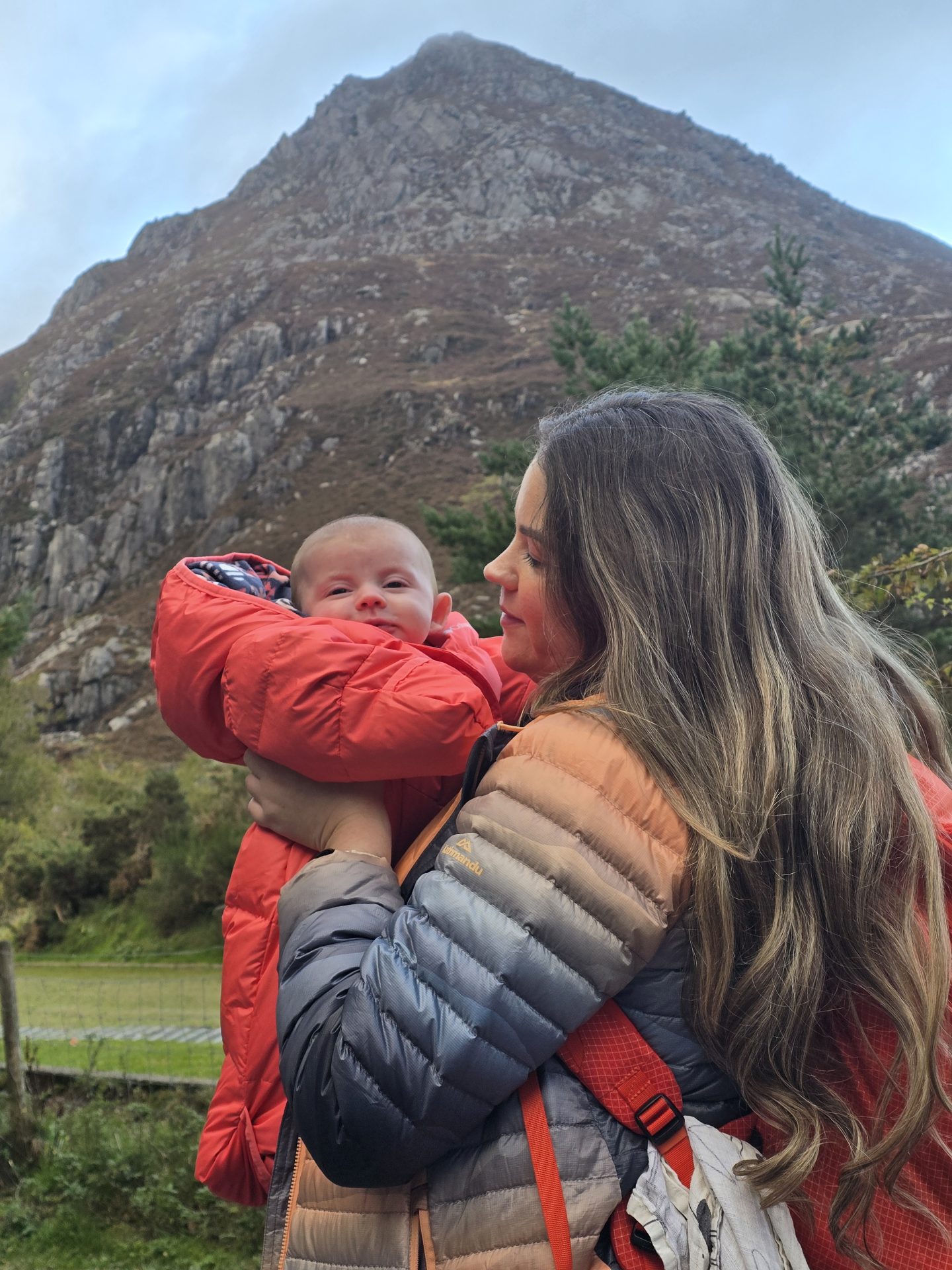
Some of the products featured in this guide were gifted for review. As always, everything included has been chosen because it genuinely fits the way we spend time outdoors as a family.
Hiking with a baby looked much simpler in my head than it did in real life.
I imagined getting back into the mountains fairly quickly after Daisy was born, but recovery after an emergency C-section was slower and more difficult than expected. For a long time, even ordinary walks could feel tiring, and carrying a growing baby added another layer to something that had once felt completely natural.
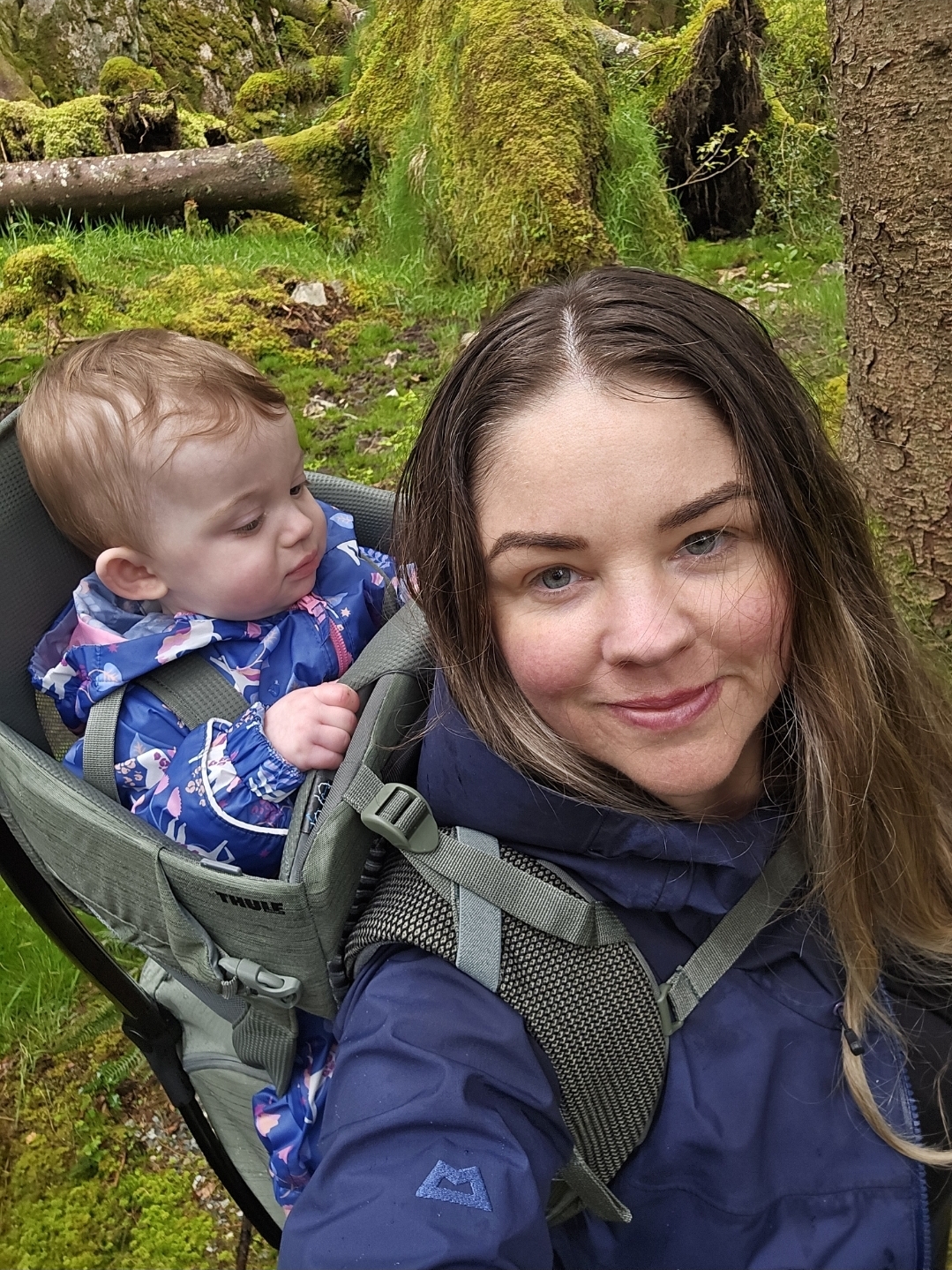
It wasn’t until Daisy was around nine months old that I felt strong enough to carry her properly in a framed hiking backpack. Even then, we started gently. Shorter routes, plenty of stops and a willingness to change the plan became far more important than distance or elevation.
The kit has changed too. Hiking with a baby or toddler means thinking about warmth, weather protection, feeding, nappies and comfort alongside the usual walking essentials. These are the family hiking essentials that have helped us make outdoor days feel more manageable.
A supportive hiking carrier
Thule Sapling backpack carrier
A supportive child carrier has made the biggest difference to where we can walk with Daisy.
The Thule Sapling allows her to sit high enough to see what is happening around her while keeping her secure and supported. She can watch the trees, reach towards leaves and babble at birds rather than being tucked away where she cannot see much of the walk.
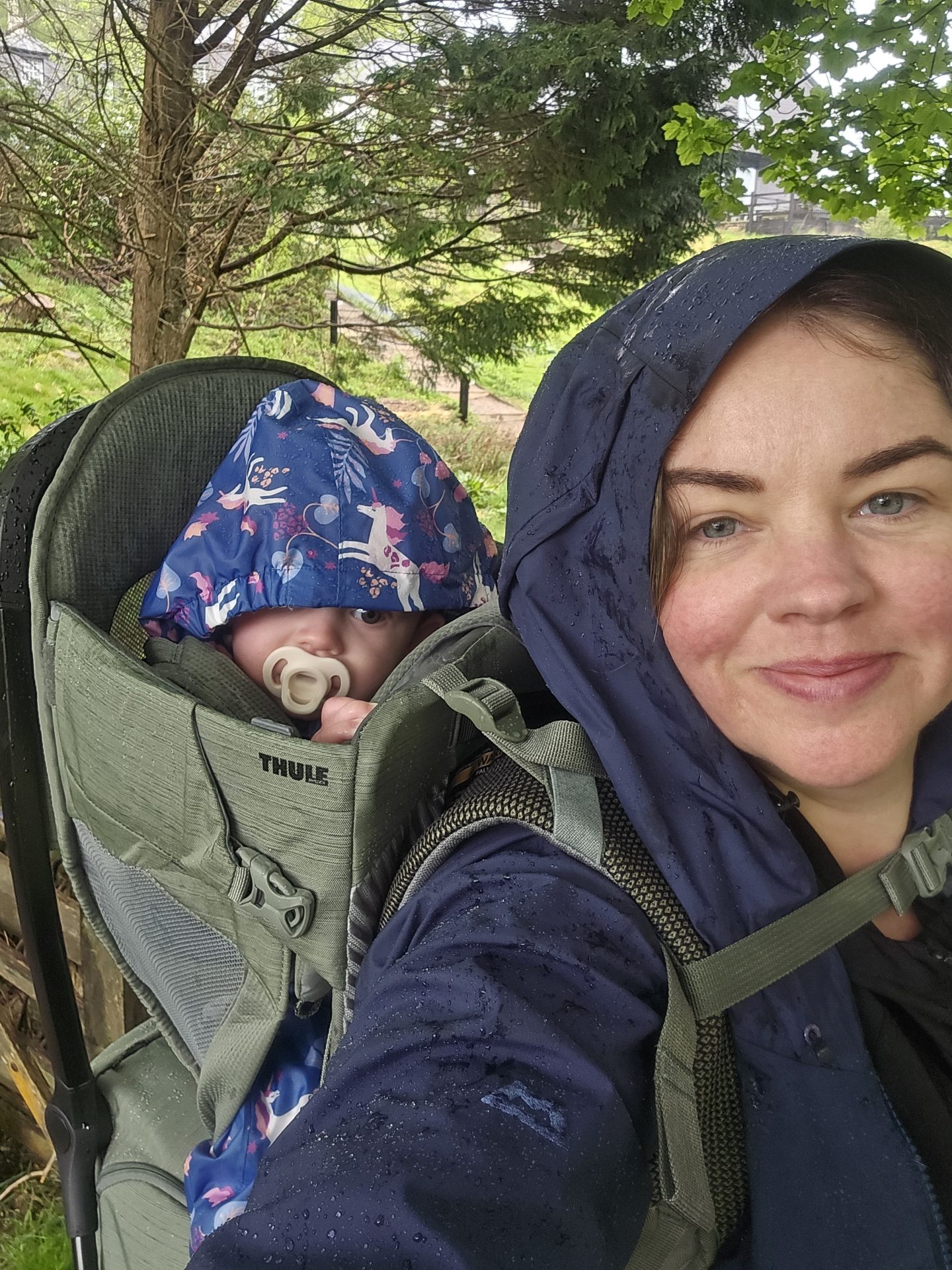
The adjustable torso and hip belt help distribute her weight more evenly, which has been particularly important while rebuilding strength after pregnancy and surgery. It still feels like a physical undertaking to carry a baby and a full bag of equipment, but the carrier keeps the load close to my body rather than pulling heavily through my shoulders.
There is also a 22-litre storage compartment for nappies, spare clothing, snacks, water and waterproof layers. This means we can usually avoid taking another large bag for shorter family walks.
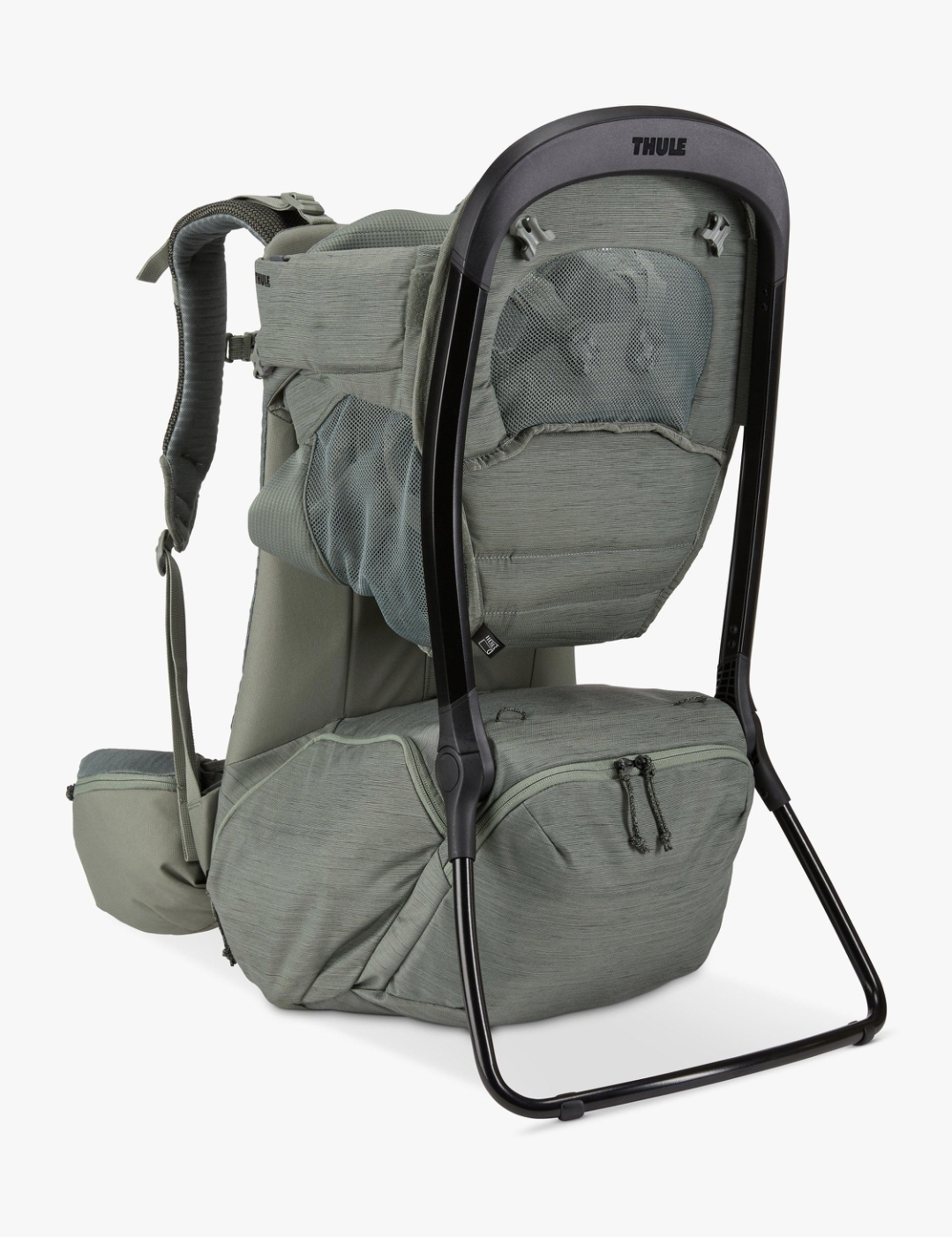
We tested the carrier at home before heading outside, taking time to adjust both Daisy’s seat and the fit across my back and hips. That made our first outing much calmer than trying to understand all the straps in a wet car park.
Our first planned mountain walk was abandoned when the weather turned, so we headed into the forest instead. Daisy wore her puddlesuit, tried to catch raindrops and touched every tree she could reach. It was not the hike we had planned, but it was exactly the low-pressure first adventure we needed.
Comfortable layers for changeable weather
Young children are often sitting still while the adult carrying them is working hard, so they can feel the cold far sooner than we do.
Rather than relying on one thick coat, we usually use several lighter layers that can be added or removed as the weather changes.
PO.P Kids’ Pile Fleece Jacket
The PO.P Kids’ Pile Fleece Jacket is a useful mid-layer for cooler walks, camping trips and everyday outdoor play.
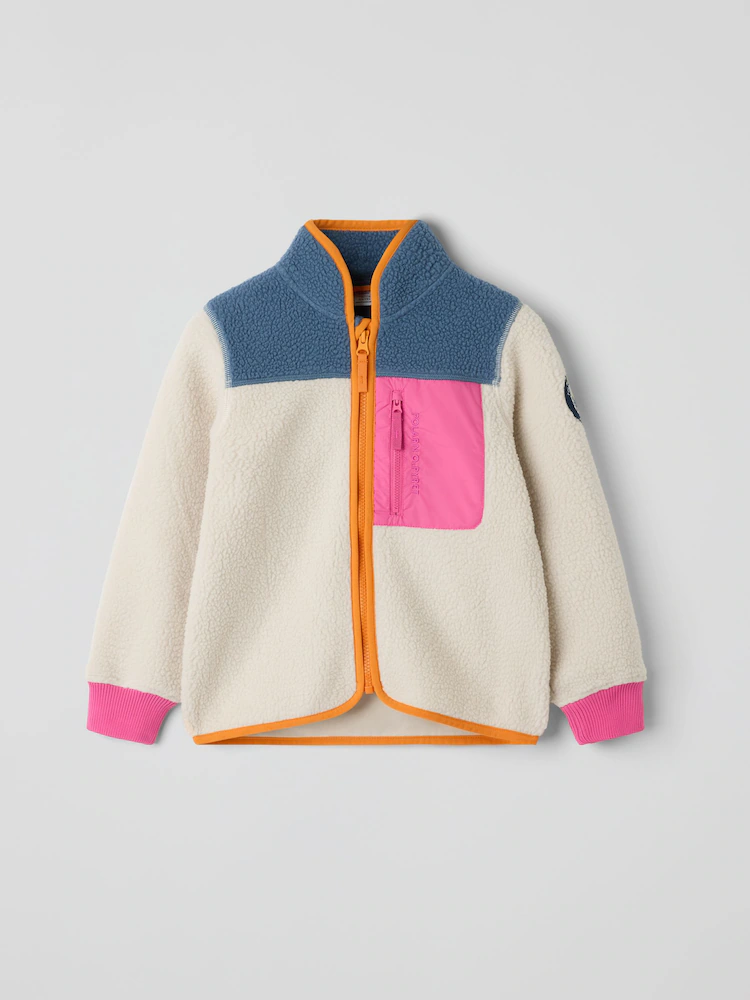
The soft pile fleece adds warmth without feeling excessively heavy, making it easy to wear beneath a waterproof suit or coat. It can also be used alone on dry spring or autumn days when a padded jacket would feel too warm.
Thoughtful details include a chin guard to stop the zip rubbing, an internal storm flap and a small chest pocket that will almost certainly end up filled with leaves, stones and other treasures.
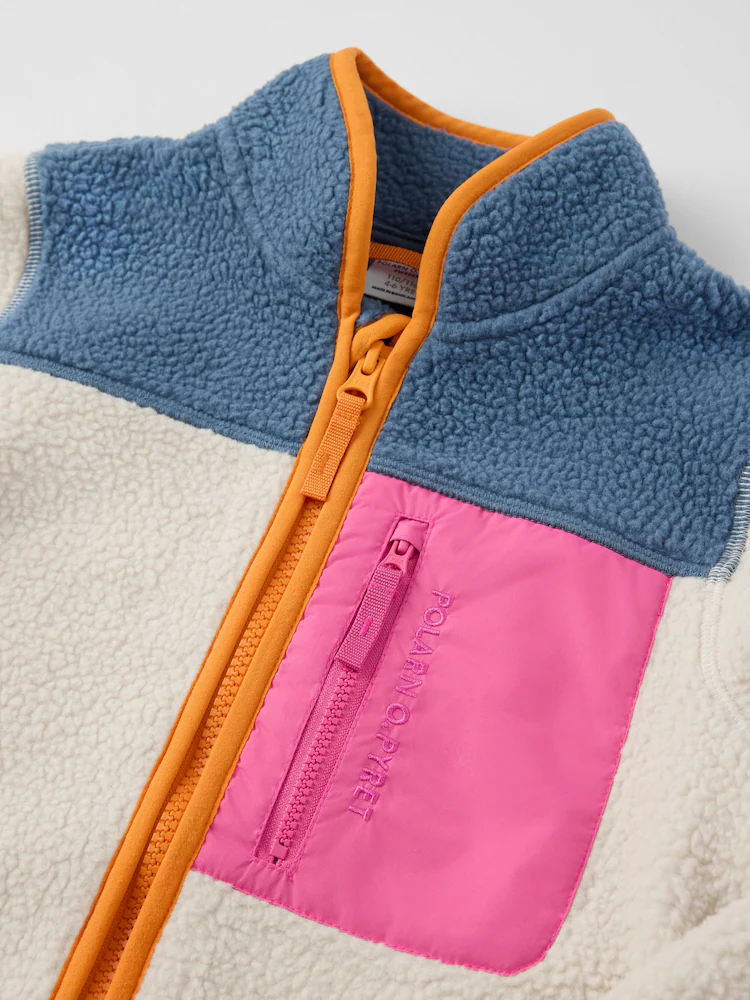
It is the kind of layer that works beyond dedicated hiking days, which makes it easier to justify than outdoor clothing that only comes out a few times each year.
A warm hat
A warm hat takes up almost no room in a backpack but can make a noticeable difference on exposed or windy walks.
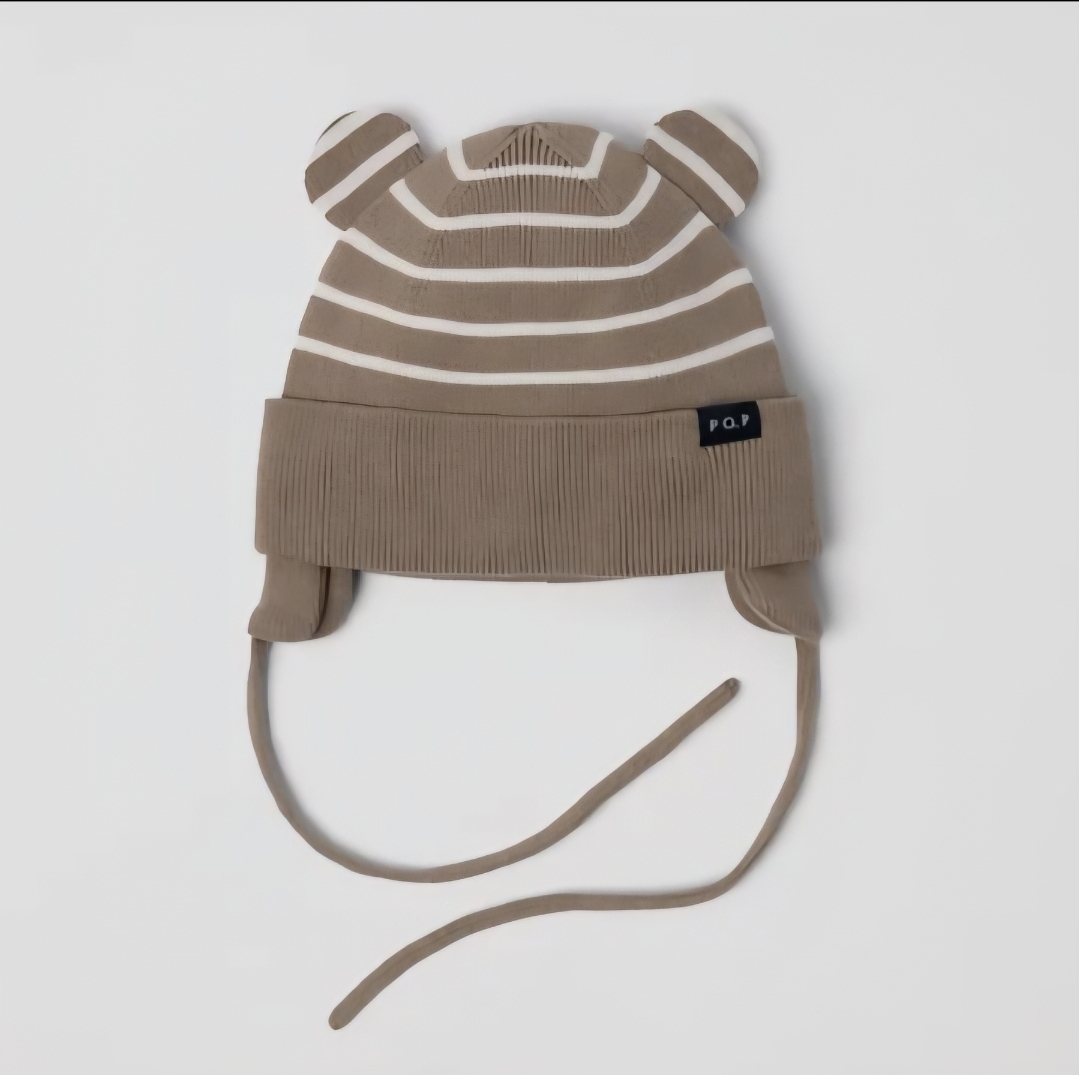
We usually pack one even when the forecast looks fairly mild, particularly when Daisy will be sitting in the carrier rather than moving around. A close-fitting hat that covers the ears works better than anything loose that can be pulled off easily or blown away.

For colder days, it is also worth checking that the hat sits comfortably beneath the carrier’s sunshade or weather cover without slipping over the child’s eyes.
Waterproof protection for rainy walks
British weather has a habit of changing halfway through a walk, so waterproof clothing has become one of the first things we pack.
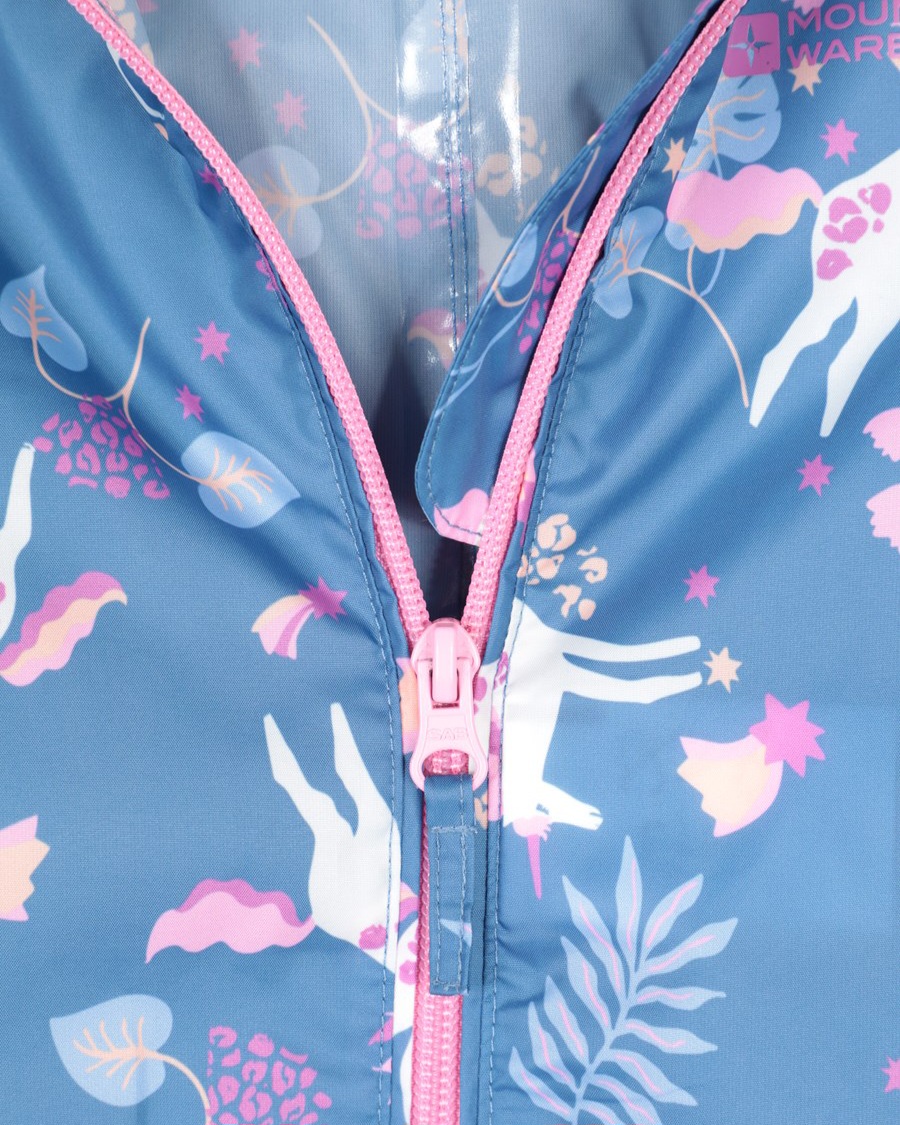
Mountain Warehouse Puddle Kids’ Printed Waterproof Rain Suit
The Mountain Warehouse Puddle Rain Suit has been particularly useful for damp woodland walks and days when Daisy wants to get closer to the ground.
The all-in-one design provides more coverage than separate waterproof trousers and a coat, especially when a baby is sitting in a carrier and their jacket would otherwise ride up. Elasticated cuffs help keep the sleeves and legs in place, while the front zip makes it relatively easy to put on over warm layers.
It also gives us more freedom to let Daisy explore without worrying quite so much about wet grass, muddy paths or leaves. The suit is lightweight enough to keep in the car or changing bag, so it can be added when the weather turns unexpectedly.
On our first walk with the Thule Sapling, I had forgotten the separate carrier rain cover. Daisy stayed comfortable in her puddlesuit despite the heavy rain and appeared far more interested in catching the drops than in staying dry.
A puddlesuit is not a replacement for proper insulation in cold weather, but it works well as an outer layer over fleece and everyday clothing.
Warm options for colder family walks
For winter walks, the right amount of insulation depends on the temperature, wind and how long the child will be sitting still.
It is easy to overdress a baby, particularly inside a sheltered carrier, so we check Daisy regularly rather than assuming more layers are always better.
Columbia baby snowsuit
A Columbia baby snowsuit provides a warmer option for cold winter days when a fleece and waterproof layer may not be enough.
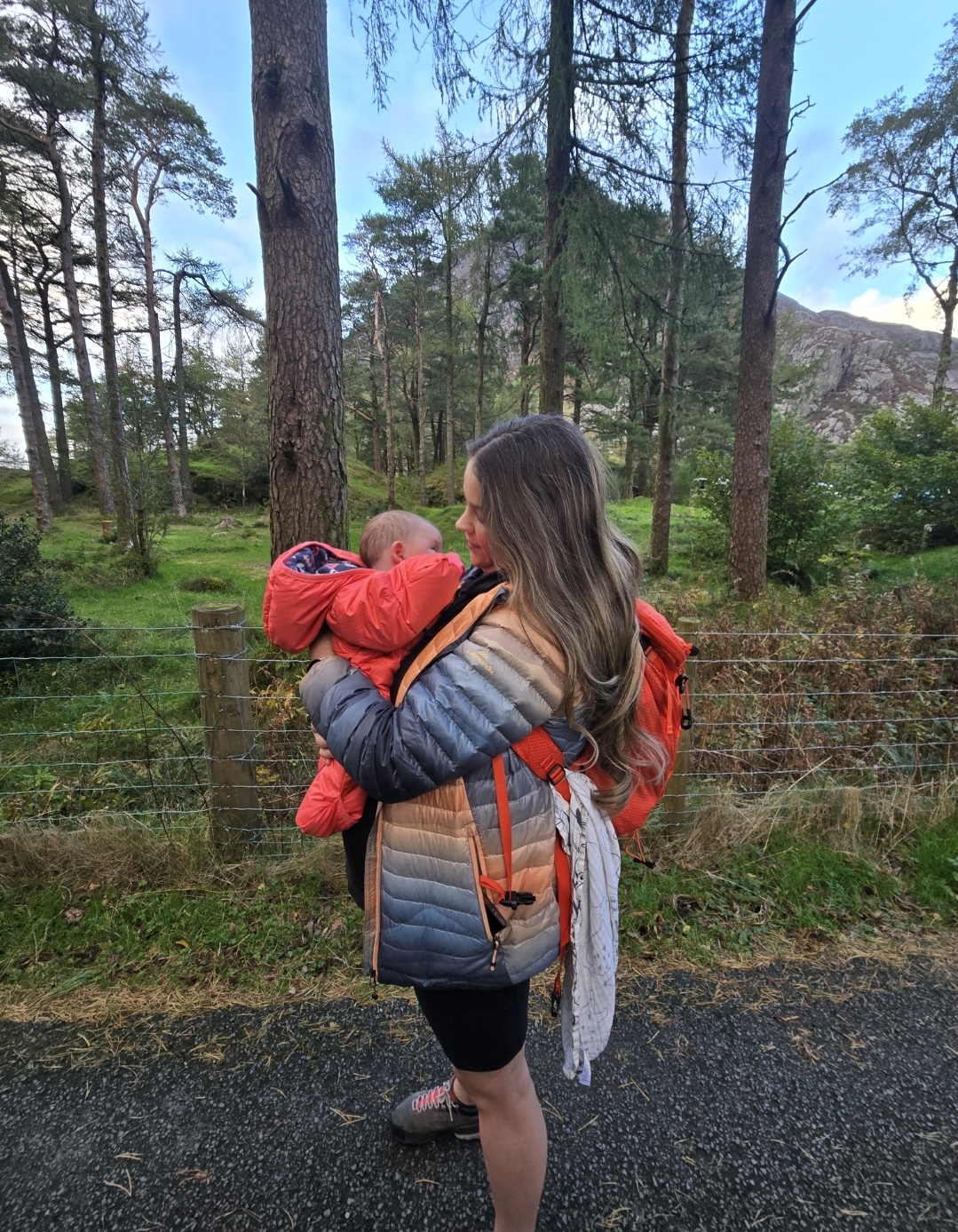
An insulated all-in-one helps keep the torso, arms and legs covered without gaps appearing as the child moves around in the carrier. This can be especially useful for frosty mornings, exposed viewpoints or slower outdoor days where a baby is not generating much body heat.
The main consideration is bulk. A heavily padded suit can affect how comfortably a child fits inside a carrier, so the harness may need adjusting and it is important to check that the straps still sit correctly.
We would reserve a snowsuit for genuinely cold conditions rather than using it automatically throughout winter.
Columbia Infant Foxy Baby Sherpa Bunting
The Columbia Infant Foxy Baby Sherpa Bunting is a softer option for chilly but relatively sheltered outings.
Its cosy fleece construction makes it well suited to woodland walks, camping mornings, travel days or time spent outside when full waterproof protection is not needed. The all-in-one shape helps prevent clothing riding up and keeps little legs covered while sitting in a carrier or pushchair.
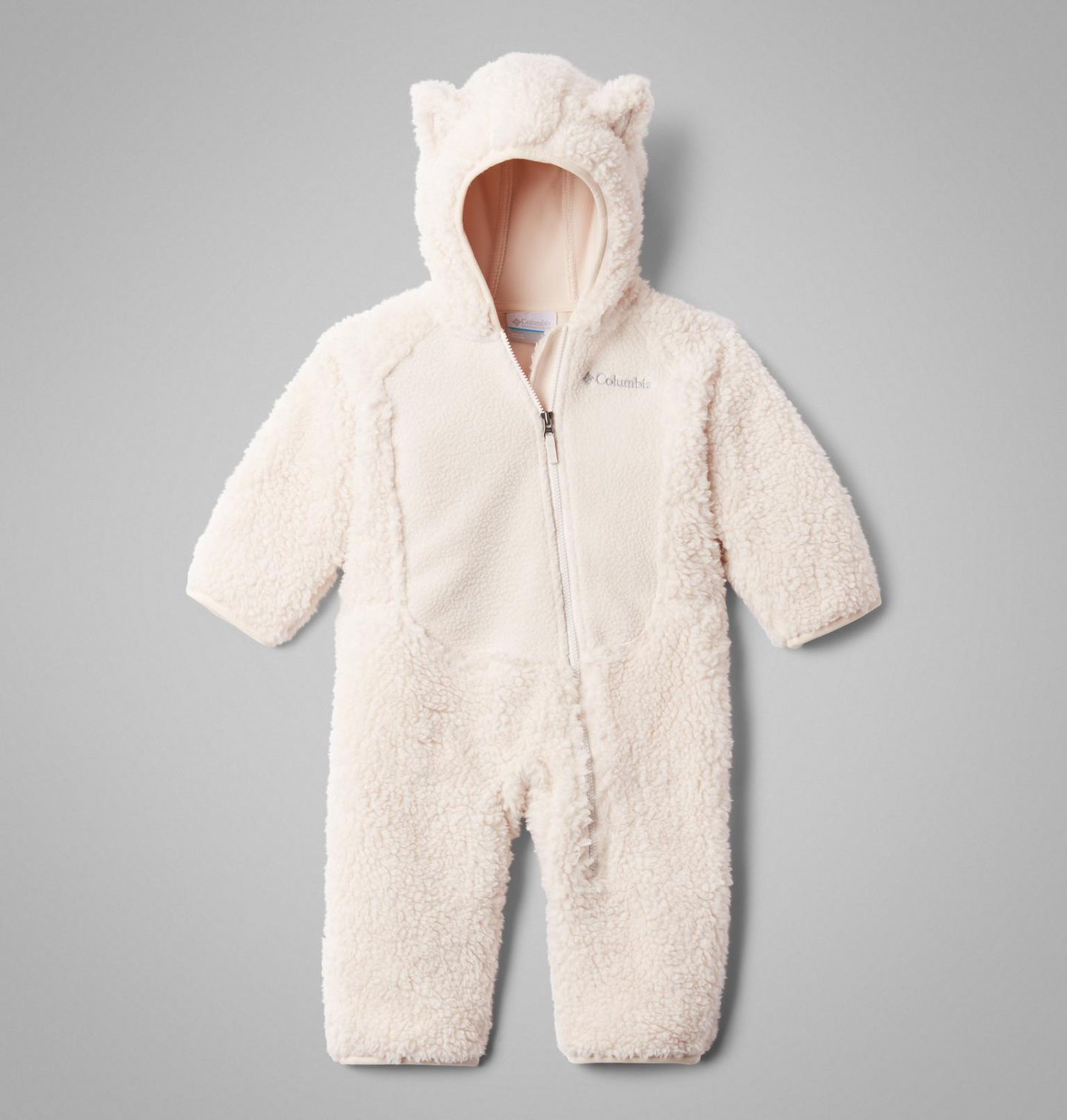
Because fleece is not designed to withstand prolonged rain, we would pair it with an outer waterproof layer in wet weather. For cool, dry conditions, however, it provides warmth without the bulk of a full snowsuit.
You are unlikely to need both options on the same walk. The fleece bunting suits cool and dry days, while the insulated snowsuit is more appropriate for colder winter conditions.
Warm footwear for babies in carriers
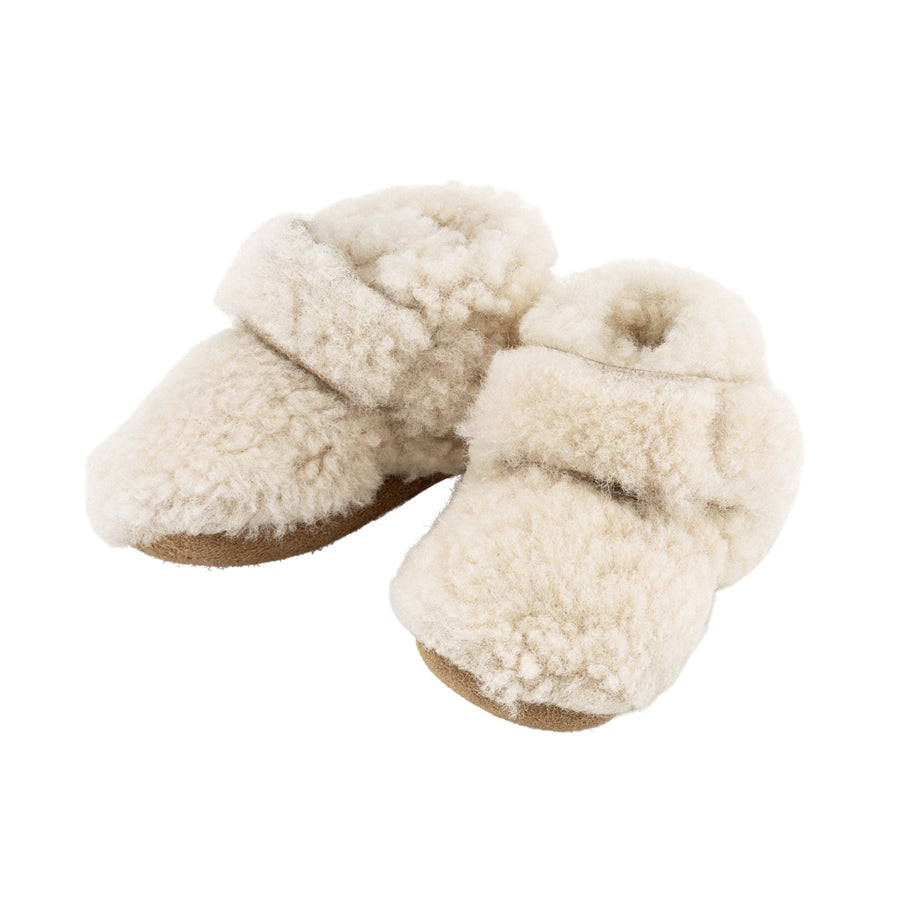
Baa Baby Teddy Merino Bouclé Booties
Babies sitting in carriers are not using their feet in the same way as adults walking beside them, so warm booties can be more useful than conventional shoes.
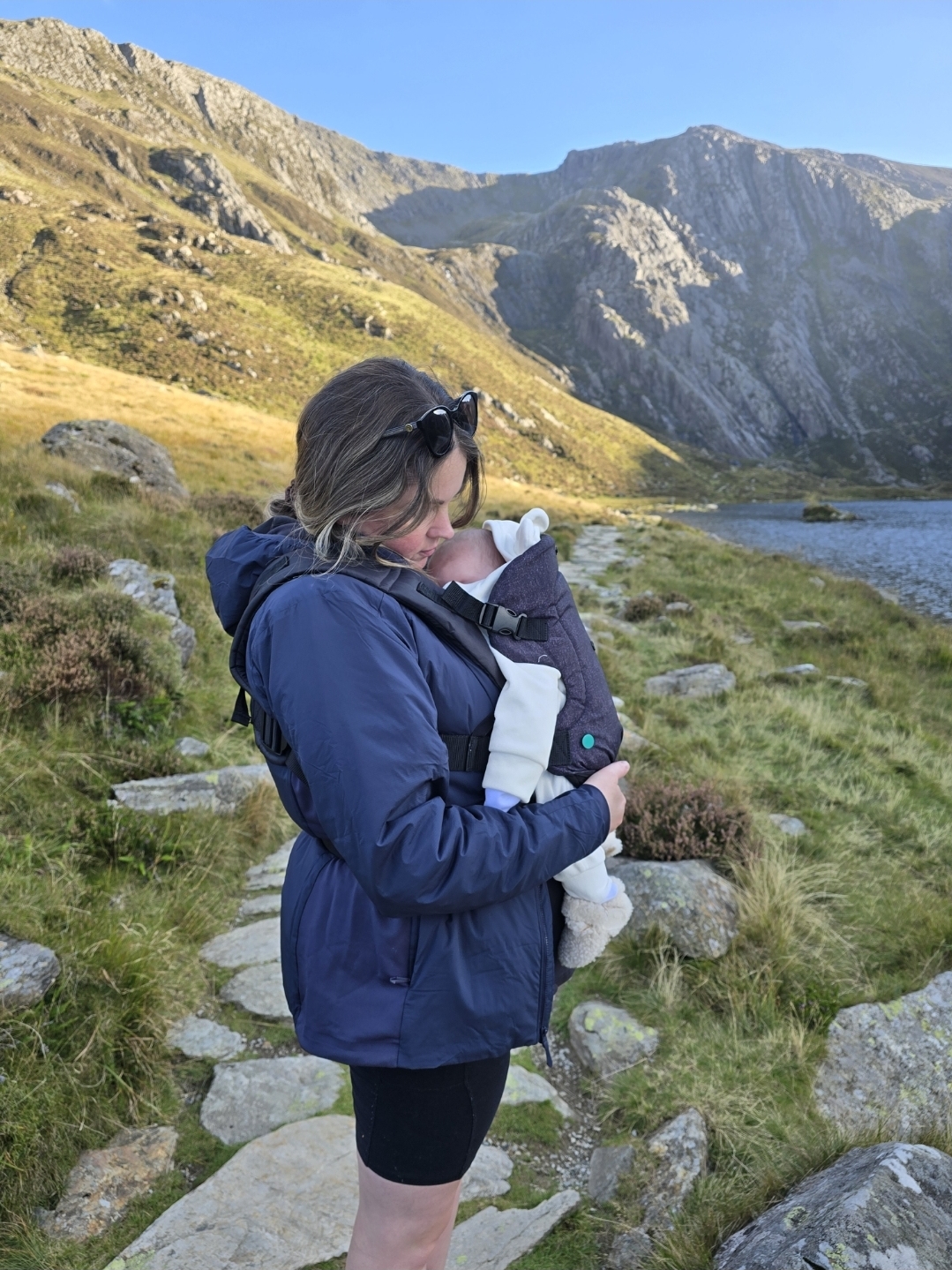
The Baa Baby Teddy Merino Bouclé Booties provide a soft layer around little feet without adding unnecessary structure. Merino wool is naturally warm and breathable, while the cosy bouclé texture feels suited to cold-weather walks and camping trips.
They are particularly useful before a child is walking independently, when boots would mainly be worn for warmth rather than grip or support.
As with hats and gloves, it is worth checking booties periodically during the walk. Small items have an impressive ability to disappear unnoticed somewhere along the trail.
Nappies and changing supplies
A full changing bag is rarely necessary for a short walk, but we still carry enough to deal with an unexpected delay.
Our basic changing kit includes:
- Nappies
- A small pack of wipes
- Portable changing mat
- Nappy bags
- Barrier cream
- A complete change of clothes
We pack everything inside a waterproof pouch rather than leaving it loose in the carrier. This keeps it together and protects spare clothing if a bottle leaks or the bag gets wet.
A complete change means socks and a base layer as well as trousers and a top. Mud, rain and leaking nappies have no respect for carefully planned outfits.
Food, milk and drinks
What we carry depends on Daisy’s age, the length of the walk and whether we will be stopping somewhere for lunch.
For a baby, this may mean prepared bottles, formula and feeding equipment. For an older baby or toddler, we usually bring familiar snacks that are easy to eat without creating too much mess.
Useful options include:
- Fruit or soft fruit pouches
- Crackers or oat bars
- Sandwiches cut into manageable pieces
- A filled water cup
- Milk where needed
- Something substantial for longer days
We also carry more water than we expect to use. Once an adult is carrying a child, clothing and changing supplies, it can be tempting to save weight wherever possible, but running low on water is not worth it.
Food is packed where it can be reached without completely emptying the carrier. Toddlers are not especially interested in waiting while you reorganise an entire backpack.
Sun and weather protection
The weather does not need to feel hot for sun exposure to become an issue, particularly in open mountain areas.
Depending on the season, we pack:
- Child-friendly sunscreen
- Sun hat
- Carrier sunshade
- Sunglasses where tolerated
- Carrier rain cover
- Waterproof outer layers
- Spare dry clothing
The Thule Sapling has a deployable UPF 50 sunshade, which helps provide shelter from direct sun. We still use sunscreen on exposed skin and plan extra breaks on warm days.
The separate rain cover is also worth keeping permanently inside the carrier. Forgetting it once was enough to make that lesson fairly memorable.
First-aid and safety essentials
Our family first-aid kit is small rather than comprehensive, but it covers the most likely minor problems.
We carry plasters, antiseptic wipes, blister treatment, child-safe pain relief where appropriate and any personal medication. A small emergency blanket takes up very little space and can provide useful additional warmth if the walk takes longer than expected.
A charged phone and portable power bank also stay in the bag, although reception can be unreliable in remote areas. We download the route before leaving and avoid relying entirely on a live map.
With a baby or toddler, we also choose routes more cautiously than we might have done before. Weather, daylight, escape points and the distance from the car all matter more when someone cannot walk themselves out.
A small toy or comfort item
Nature provides plenty of entertainment, but a familiar toy can help during car journeys, picnic stops or moments when the scenery temporarily loses its appeal.
We usually choose something small enough to attach securely to the carrier rather than a favourite toy that would be upsetting to lose.
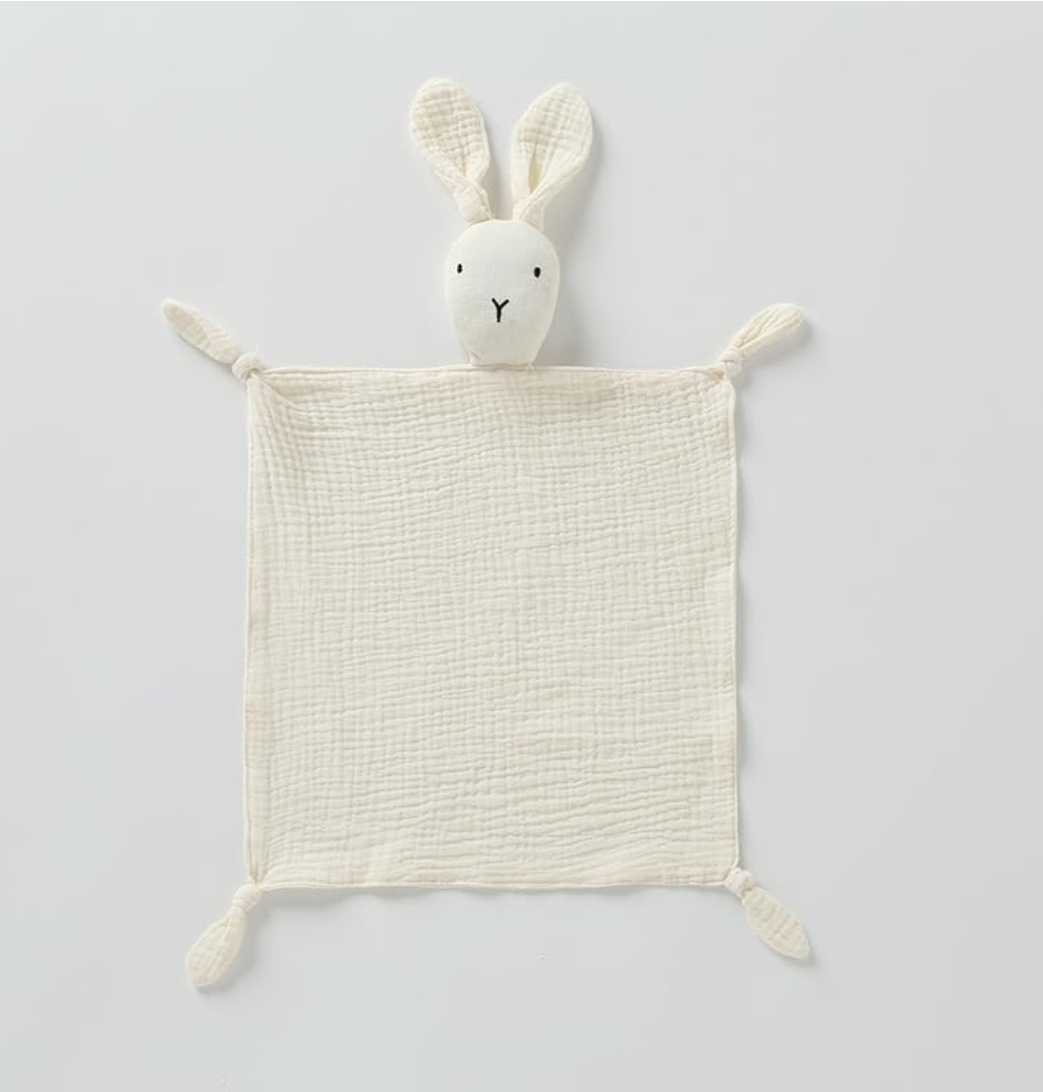
A dummy, comforter or familiar snack can also help a tired baby settle. The aim is not to fill the carrier with entertainment, but having one familiar item can make a delayed return to the car feel far less stressful.
Essentials for the person carrying the child
It is easy to focus entirely on the baby and forget that the person carrying them also needs to stay comfortable.
Alongside our usual hiking clothing, I now pay closer attention to:
- Supportive footwear
- A breathable base layer
- Waterproof jacket
- Extra water
- Walking poles for suitable routes
- Easy-access snacks
- A properly adjusted hip belt
- Regular breaks
Carrying a child changes balance and places more demand on the core, hips and back. I built up gradually with shorter walks rather than attempting a full mountain day as soon as the carrier arrived.
There is no prize for finishing a route while uncomfortable or in pain. Turning back, choosing a gentler trail or swapping carriers with another adult can all be part of a successful family walk.
Our baby and toddler hiking checklist
For most family walks, we pack:
- Child carrier
- Carrier sunshade or rain cover
- Warm fleece layer
- Waterproof suit
- Hat and warm booties
- Spare clothing
- Nappies and changing supplies
- Food, milk and water
- Sunscreen
- Small first-aid kit
- Comfort item or attached toy
- Phone, downloaded map and power bank
- Adult waterproofs, food and water
Not every item is needed for every trip. A short summer woodland walk requires very different kit from a cold day in the mountains.
The most useful habit has been checking the route, forecast and temperature before deciding what goes into the carrier rather than packing the same bag every time.
What we have learned about hiking with a baby
The biggest adjustment has not been the amount of equipment. It has been accepting that family walks often follow their own plan.
A route may be shortened because the weather changes. Lunch might happen in the car. A walk can pause for a nappy change, a bottle or ten minutes spent touching the same tree.
Those things do not make it less of an adventure.
Our first outing with the Thule Sapling was supposed to involve Llyn Idwal and Devil’s Kitchen. Instead, we wandered beneath the trees while Daisy caught raindrops and babbled at the birds.
It was slower and less impressive on paper, but it helped me feel like I was finding my way back outdoors after a difficult recovery.
For now, that matters far more than reaching the summit.
